
This post is part of our complete guide to Car Accident & Whiplash Treatment in Las Vegas. Browse the guide for more in-depth information on treatments, symptoms, and recovery in Las Vegas & Henderson.
Long-term recovery after a car accident is not the same thing as “my pain went away.” At Southern Nevada Chiropractic, we focus on rebuilding motion, strength, stability, endurance, and confidence so recovery shows up in real life—not just on an examination table.
Why doesn’t pain relief automatically mean long-term recovery after a car accident?
Many people understandably equate healing with symptoms: if it hurts less, it must be better. Feeling better is an important milestone after a whiplash injury, but it is not always the finish line in our office.
Here’s the key distinction we teach early: pain and function are not the same thing. The body’s alarm system—pain—can quiet down as injuries are healing, even before function is completely rebuilt.
That’s why someone can have very little pain and still have problems like:
- Limited neck rotation
- Difficulty looking over a shoulder even though it’s not painful
- Weakness in a hand or legs
- Difficulty lifting (with or without pain)
- Trouble sitting through a work day even without acute pain
Suffering from pain after an accident? Southern Nevada Chiropractic offers same-day appointments in Las Vegas & Henderson. Call Now →
What does “getting back to function” actually look like after a collision?
During the acute phase after a collision, pain and inflammation are basically dominating everything. As pain and inflammation start to subside, it’s genuinely understandable that patients think, “Great, I’m healed now.”
But some consequences of a whiplash injury may remain after pain has subsided, including altered range of motion, weakness, or deconditioning. For long-term recovery after a car accident, we need to see function come back—measurably—and we need to see it carry over into your normal routine.
We keep the focus practical. Milestones we care about include:
- Checking your blind spot comfortably when changing lanes
- Backing your car out of a parking space without limitations
- Sleeping through the night
- Carrying groceries or picking up your child
- Sitting at your desk all day at work without symptoms
- Returning to hobbies you couldn’t do after the accident
In other words, recovery shouldn’t only exist in a doctor’s office. It needs to show up in your real life.
How do we approach long-term recovery after a car accident at Southern Nevada Chiropractic?
When patients ask us, “Are you just going to get rid of my pain, or are you going to actually help me get my life back?” we’re direct about our goal: it’s bigger than taking a pain number from a nine to a one.
We built our care around a four-phase recovery system:
- Protect
- Restore
- Rebuild
- Return the patient to full function
This structure matters because the needs of the acute phase are different from the needs of the later stages. As symptoms improve, patients increasingly become an active participant in their recovery—rebuilding cervical and spinal ranges of motion, strength, core stability, posture, and moving toward full movement.
If you’re searching for help to get full movement back, that goal fits directly into how we define “restore” and “rebuild.”
What do we measure to know function is really returning?
We don’t want to rely exclusively on a patient saying, “Yeah, I think I’m pretty good.” Instead, we use objective findings to know when you have actually recovered.
Depending on what’s appropriate, we may look at:
- Range of motion
- Strength testing
- Neurological findings
- Balance or coordination
- Tests when appropriate
Our aim is straightforward: measurable evidence that function has returned, and that you have the mobility, strength, stability, and endurance to handle normal life again.
What can happen if you stop care as soon as you “feel better”?
Stopping treatment the moment symptoms improve can potentially contribute to issues that show up later—even if you felt fine at first. In our experience, that can include:
- Persistent stiffness
- Reduced range of motion
- Weakness
- Poor endurance
- Difficulty returning to previous activities
- Recurrent symptoms or flare-ups
- The potential of early onset arthritis or degenerative disc disease
This is one of the reasons we never want to settle for “good enough.” A collision can change what your body tolerates day to day, and our job is to do everything we can to get you back to the activities you were unable to perform.
Where can local patients in Las Vegas and Henderson get help with this kind of recovery?
Southern Nevada Chiropractic Car Accident Treatment Centers serve patients across the Las Vegas valley, including Henderson and Las Vegas. Our clinics provide chiropractic care for car accident-related concerns like whiplash, neck pain, and back pain after a collision, with the bigger goal of helping you return to full function.
Depending on your needs, our clinics may include services such as therapeutic exercise and stretching, spinal traction, manual soft tissue therapy, transcutaneous electric nerve stimulation (TENS), nutritional counseling, and lifestyle modification.
Key Takeaways
- Long-term recovery after a car accident is about function—motion, strength, stability, endurance, and confidence—not just lower pain.
- Pain can quiet down before function is completely rebuilt, so we track what your body can do again in real life.
- Our four-phase recovery system is protect, restore, rebuild, and return the patient to full function.
- We use objective findings (like range of motion and strength testing) so progress isn’t based only on “I think I’m pretty good.”
Where to Go From Here
If you’ve been told you’ll always have limitations after a collision, we don’t accept that as your default outcome. Our focus is to help you rebuild what the accident took away—so your recovery shows up when you drive, work, sleep, and live.
Call to schedule an appointment to help with your accident injuries. We’ll look beyond symptoms and focus on measurable progress toward getting you back to full function with a plan that matches where you are in recovery.
Frequently Asked Questions
Is feeling better the same as being fully recovered after a car accident?
No—feeling better is an important milestone, but pain and function are not the same thing. Pain can quiet down as injuries are healing before function is completely rebuilt. We focus on restoring motion, strength, stability, endurance, and confidence so recovery shows up in real life.
What is the four-phase recovery system you use after a collision?
Our four-phase recovery system is protect, restore, rebuild, and return the patient to full function. We use it because the acute phase is dominated by pain and inflammation, while later phases focus on rebuilding range of motion, strength, stability, posture, and full movement.
What kinds of function problems can remain even when pain is low?
Function issues can remain even with very little pain, such as limited neck rotation and difficulty looking over your shoulder. Some patients also notice weakness in a hand or legs, difficulty lifting, or trouble sitting through a work day even without acute pain.
How do you know when someone has truly recovered function?
We look for measurable evidence that function has returned, not only a patient saying they feel pretty good. Our objective findings can include range of motion, strength testing, neurological findings, balance or coordination, and tests when appropriate. The goal is readiness for normal life demands.
What can happen if I stop treatment as soon as I feel better?
Stopping care right when symptoms improve can potentially contribute to persistent stiffness, reduced range of motion, weakness, poor endurance, and difficulty returning to previous activities. It can also contribute to recurrent symptoms or flare-ups, or even the potential of early onset arthritis or degenerative disc disease.
What real-life milestones matter during recovery after whiplash?
Real recovery needs to show up in everyday life. Practical milestones include checking your blind spot comfortably, backing out of parking spaces without limitations, sleeping through the night, carrying groceries or picking up your child, sitting at work all day without symptoms, and returning to hobbies you had to stop.
Ready to Feel Better?
Our Las Vegas & Henderson chiropractors are ready to help — same-day appointments available.
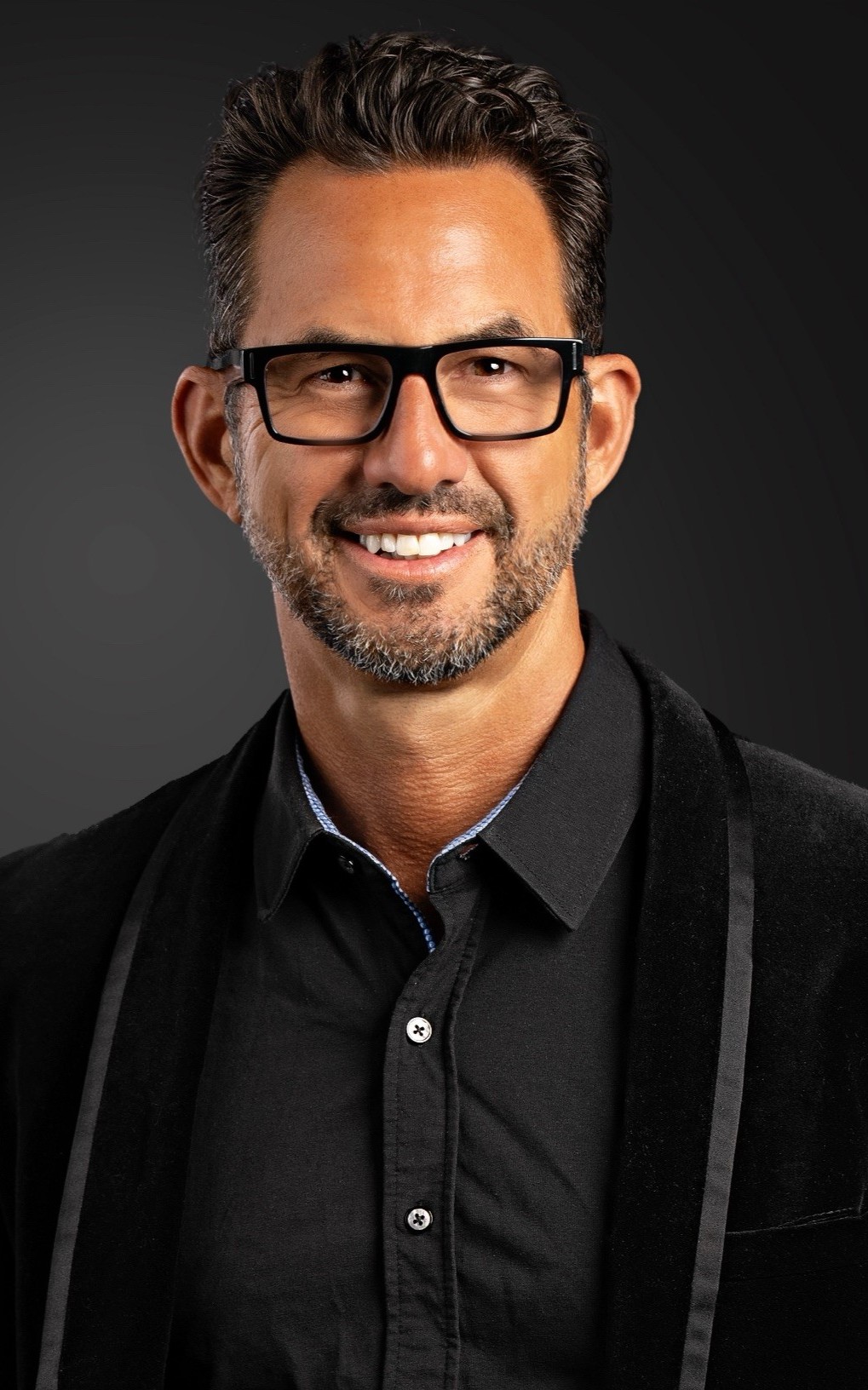
Dr. Michael Reiss, DC has practiced chiropractic in Las Vegas since 1998. A graduate of Life Chiropractic College West, he founded Southern Nevada Chiropractic to specialize exclusively in car accident and injury recovery across the Las Vegas Valley.
He is the author of The Las Vegas Car Accident Victim’s Health Guide and contributes to The Modern Physician Letter, a national publication for medical doctors.
His clinics have earned 2,000+ five-star Google reviews across 9 Valley locations.
Originally spoken aloud by Dr Michael Reiss DC. Edited with AI assistance and reviewed before publication.
The original recording this article was written from
Further Reading: Whiplash Treatment
- The First 72 Hours to Full Recovery: Our Step-by-Step Crash-to-Rehab Pathway
- Numbness, Tingling, and Shooting Pain Into Your Arm After a Crash
- Recovering Without Opioids: Drug-Free Pain Relief After a Car Accident
- Can a Chiropractor Really Break Your Neck? Is Adjustment Safe After a Car Accident?
- Headaches, Dizziness, and Brain Fog After a Car Accident: What’s Really Going On
→ Complete Guide: Car Accident & Whiplash Treatment in Las Vegas