


This article is part of our Car Accident Injury series at Southern Nevada Chiropractic Car Accident Treatment Centers in Las Vegas. For the complete overview, see the full guide:
Soft tissue therapy after a car accident works best when it’s part of a bigger plan that goes beyond pain relief and restores real-world function. At Southern Nevada Chiropractic, we focus on helping you regain movement, strength, confidence, and the ability to enjoy everyday life—not just feeling better for a moment on the examination table.
Why isn’t pain relief the same thing as being fully recovered?
Pain relief is an important milestone, but it isn’t always the finish line. After a crash, many people come in because of pain and stiffness—neck pain, headaches, or a back that doesn’t feel normal.
But pain is only one way we evaluate injuries. We also see situations like:
- Very little pain, but restricted ranges of motion
- Reduced muscle strength and difficulty with everyday activities
- Pain improving before injured tissues and functional abilities have fully recovered
- Lingering discomfort even after strength and function have substantially restored
In other words, pain is the body’s warning system, but it’s not a perfect measurement of tissue healing.
In pain now? → Call to schedule an appointment at Southern Nevada Chiropractic Car Accident Treatment Centers
How long should soft tissue injuries be treated after a crash?
After whiplash and other soft tissue injuries, we encourage people to treat the injuries for the full 6-8 weeks, which is what all the research shows is how long it takes for soft tissue injuries to heal.
This matters because some patients stop care as soon as pain decreases, then notice symptoms come back and are exacerbated when they return to the gym, work long hours, lift a grandchild, or try to go golf.
How does soft tissue therapy after a car accident fit into a complete recovery plan?
We view soft tissue therapy after a car accident as one component within a recovery plan that should progress beyond passive treatment. Early on, many people need help getting comfortable again—but as improvement happens, the plan should evolve so you can do more for yourself actively.
In our clinics across Las Vegas and Henderson, our chiropractic care commonly includes services such as manual soft tissue therapy, spinal traction, therapeutic exercise and stretching, and transcutaneous electric nerve stimulation (TENS). We’ll recommend what fits your findings and goals, then adjust the plan as you improve.
What should treatment focus on in the acute phase?
During the acute phase, treatment often focuses on:
- Controlling symptoms
- Protecting injured tissues
- Restoring comfortable movement
That’s also the phase where many people most associate their care with hands-on work and other in-office therapies. The key is that this stage is a starting point—not the whole recovery.
When should rehab and strengthening become the priority?
As the patient improves, treatment should evolve. The emphasis should gradually shift toward:
- Restoring mobility
- Strengthening muscles
- Improving stability
- Rebuilding functional capacity
As you start to recover, the doctor should gradually be doing less for you and helping you do more for yourself actively.
Why do symptoms come back when people “jump back in” too fast?
Returning to activities of daily living should be gradual and intentional. We caution patients not to go straight from avoiding activity for 8 weeks straight to attempting everything they did before the accident.
That sudden jump in physical demand can trigger symptoms, particularly when strength and endurance haven’t fully returned to normal.
We prefer a gradual reintroduction of activities of daily living, increasing the challenge as you demonstrate improvement. For example:
- Returning to weight lifting: begin with lighter resistance and less repetitions before progressing to heavier loads and higher reps.
- Returning to work: gradually increase sitting, standing, lifting, or repetitive activity tolerance.
How do we measure whether you’re actually recovering?
We do our best to objectively measure when someone has fully recovered. We don’t rely exclusively on a patient saying, “I feel pretty good.” Instead, we compare current findings with the baseline established during the initial examination.
Measurable findings can include:
- Ranges of motion
- Muscle strength and endurance
- Orthopedic and neurological exams
- Disability scores
- Pain frequency
- Ability to perform specific work, household, and recreational activities
Feeling better is something you tell us. Physical recovery is something we can evaluate and measure.
What should a good home program include as you improve?
We also help patients understand how to maintain the progress they’ve made. A good home program may include:
- Mobility exercises
- Stability training
- Gradual progression back to normal activities of daily living
We can’t promise you’ll never have an episode of neck and back pain ever, but we can help you build the strength, movement, and habits that may reduce your risk of future problems.
When do we know it’s time to discharge from active care?
For our doctors, knowing when to discharge is part of good chiropractic care. We consider discharge when:
- The patient has achieved appropriate functional goals
- Objective findings have improved
- Additional supervised treatment is no longer expected to provide meaningful benefit
Being discharged from active care doesn’t require a guarantee that you’ll never experience another ache or pain. It means you’ve reached an appropriate endpoint for active care and can independently manage your ongoing recovery.
One of the best days in our office is when we can tell a patient, “You’ve made the progress we wanted to see, and you don’t need to see us anymore.”
Key Takeaways
- Pain relief is a milestone, but it isn’t always the finish line after a crash.
- Some people feel better before their tissues and functional abilities have fully recovered, while others have lingering discomfort even as function returns.
- We encourage treating injuries for the full 6-8 weeks because that’s what research shows for soft tissue healing.
- Recovery should progress from symptom control to restoring mobility, strength, stability, and functional capacity.
- We track recovery with objective measures like range of motion, strength/endurance, orthopedic and neurological exams, disability scores, and activity tolerance.
Where to Go From Here
If you’ve been in a crash in Las Vegas or Henderson, we’re here to help you move from “less pain” to “more life,” with a plan that supports comfort now and function long-term. At Southern Nevada Chiropractic, we’ll evaluate your baseline findings, measure your progress over time, and guide you toward becoming independent of treatment. Call us today and schedule a time to see how we can help you.
Frequently Asked Questions
Is pain relief enough to know I’m recovered after a crash?
Pain relief isn’t always the same thing as being fully recovered after a crash. We also look at function, including range of motion, strength, and your ability to do everyday activities. Pain can improve before tissues and functional abilities have fully recovered, so we track more than symptoms.
How long does it take for soft tissue injuries to heal after a car accident?
Soft tissue injuries take 6-8 weeks to heal, based on what research shows. That’s why we encourage treating injuries for the full 6-8 weeks rather than stopping as soon as pain decreases. Ending care too early can lead to symptoms returning when activity levels increase.
Why can symptoms come back when I return to the gym or work?
Symptoms can come back when you jump too quickly from avoiding activity to doing everything you did before the accident. That sudden increase in physical demand can trigger symptoms, especially if strength and endurance haven’t returned to normal. We recommend gradually reintroducing activities and building tolerance.
What does care focus on during the acute phase after an accident?
During the acute phase, care often focuses on controlling symptoms, protecting injured tissues, and restoring comfortable movement. As improvement occurs, treatment should evolve so the emphasis shifts toward mobility, strength, stability, and functional capacity. The goal is progressing from passive help to active recovery.
How do you measure whether I’m fully recovered?
We measure recovery by comparing current findings to the baseline from your initial examination. Measurable findings can include ranges of motion, muscle strength and endurance, orthopedic and neurological exams, disability scores, pain frequency, and your ability to perform work, household, and recreational activities.
When do you decide to discharge someone from active care?
We consider discharge when appropriate functional goals are achieved, objective findings have improved, and additional supervised treatment is no longer expected to provide meaningful benefit. Discharge doesn’t require guaranteeing you’ll never feel another ache or pain; it means you can manage ongoing recovery independently.
JustSpeak SEO Pack — delete this whole box before publishing
These are working notes for setting up the post. They are not part of the article and must not go live.
SEO
Focus keyword
Meta title
Social
X / Twitter
Pain relief after a crash is a milestone—not always the finish line. We measure recovery with ROM, strength/endurance, exams, disability scores, pain frequency & activity tolerance, then guide a gradual return to daily life.
Images
Schema is already handled — there is nothing to paste.
The JustSpeak Connector adds the Article, FAQ and Breadcrumb markup to this post automatically, merged into your SEO plugin so there is one set rather than two. It also records the original recording this article was spoken from. Dates are read from the post on every page load, so they update themselves. Adding schema by hand would create a duplicate and make things worse.
Ready to feel better?
→ Schedule your appointment at Southern Nevada Chiropractic Car Accident Treatment Centers
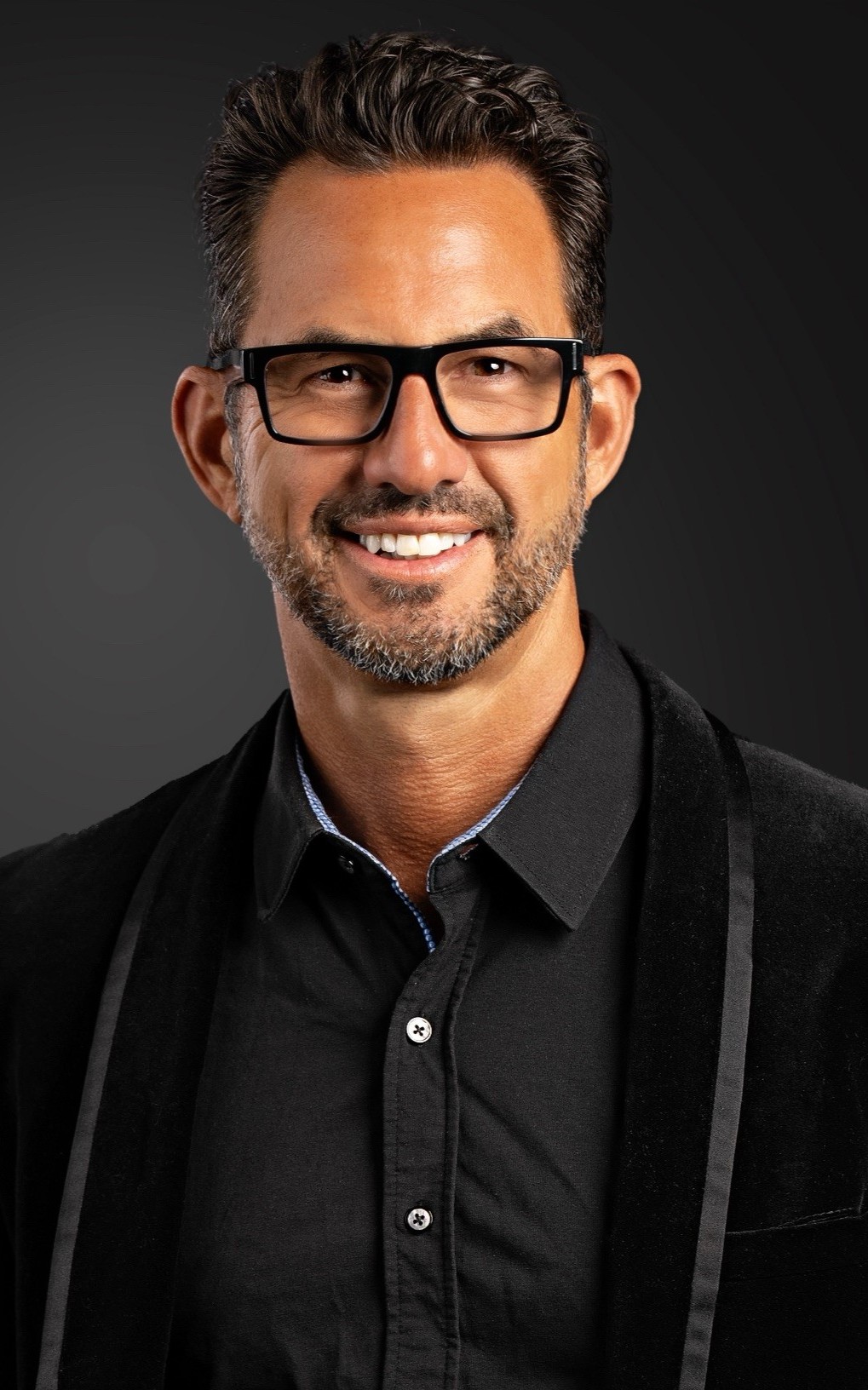
Dr. Michael Reiss, DC has practiced chiropractic in Las Vegas since 1998. A graduate of Life Chiropractic College West, he founded Southern Nevada Chiropractic to specialize exclusively in car accident and injury recovery across the Las Vegas Valley.
He is the author of The Las Vegas Car Accident Victim’s Health Guide and contributes to The Modern Physician Letter, a national publication for medical doctors.
His clinics have earned 2,000+ five-star Google reviews across 10 Las Vegas Valley locations.
Originally spoken aloud by Dr Michael Reiss DC. Edited with AI assistance and reviewed before publication by Rich Hull.
The original recording this article was written from
Further reading: Whiplash Treatment
- Ten Locations, One Standard: How We Keep Accident Care Personal, Consistent and Unrushed
- Hoping to Avoid Injections or Surgery After a Car Accident? What Conservative Care Can Do — and When We Refer You On
- Low-Speed and Parking-Lot Accidents: Why a “Minor” Crash Can Still Cause Real Whiplash
- Can’t Sleep After Your Car Accident? The Pain-Sleep Connection and How to Break It
- How We Measure Your Recovery: Range-of-Motion Testing, Pain Scores, and Objective Progress
→ Complete guide: Car Accident & Whiplash Treatment in Las Vegas